
Stand-in Processing
Stand-In Processing (STIP) refers to the procedure where transactions are managed by an alternate entity when the primary decision-making party is temporarily incapacitated due to maintenance, technical disruptions, or other factors. This process ensures continuity and reliability in transaction handling within financial networks.
At a high-level STIP provides two distinct processing options to ensure uninterrupted transaction operations.
- BasicSTIP: in this model, the STIP provider acts on your behalf and declines transactions if no response is received from your system within a predefined timeframe.
- EnhancedSTIP: this enhanced model allows the STIP provider to not only decline but also approve transactions based on predefined criteria set by you. In scenarios where your system does not respond within the stipulated timeframe, transactions meeting these criteria are approved, while others are declined in accordance with the BasicSTIP approach.
Enhanced STIP includes the option of Balance listing.
Key benefits
The benefits of STIP are multifaceted and crucial for maintaining seamless and efficient transaction processes within financial networks. Primarily, STIP ensures continuous transaction approval and processing, even when the issuer's system is down or undergoing maintenance, thus minimizing the risk of transaction denials and enhancing customer satisfaction.
Additionally, STIP offers financial institutions the flexibility to set specific criteria for transaction approvals, ensuring that even in stand-in scenarios, transactions are handled according to predefined security and risk thresholds. This flexibility helps in maintaining the integrity and security of financial transactions.
Moreover, STIP reduces the potential for financial losses associated with system downtimes and maintains the reliability of the payment ecosystem, fostering trust among consumers and merchants alike. Overall, STIP serves as a critical component in the resilience and stability of financial operations, safeguarding both consumer experience and institutional reputation.
Banking.Live STIP
The below diagram provides you with a high-level view of how Banking.Live STIP works:
Banking.Live STIP - High-level
Banking.Live STIP process
- You decide the rules that determine how STIP operates, such as specific card products, transaction spend limits, risk thresholds, and conditions for approval or decline.
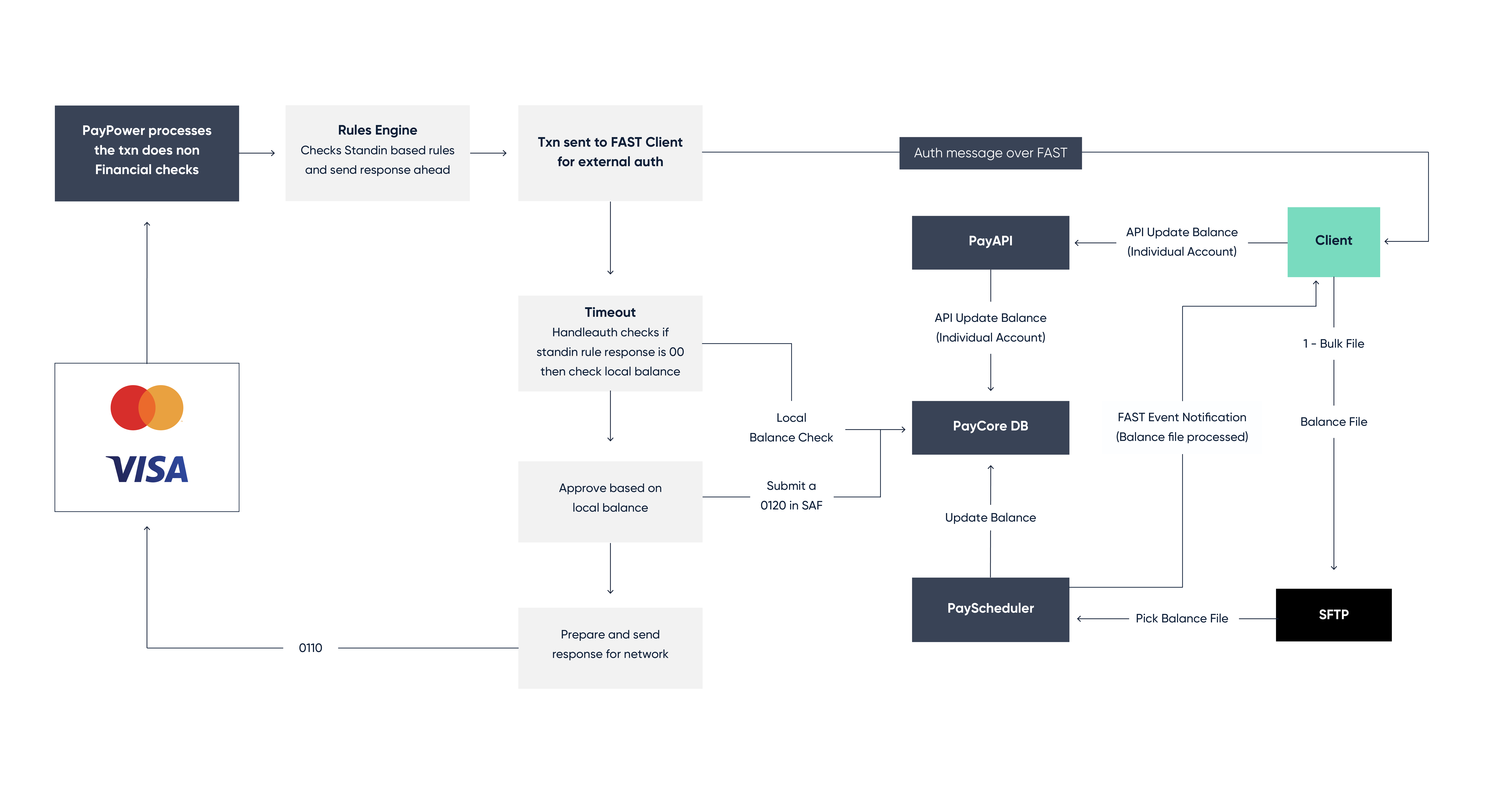
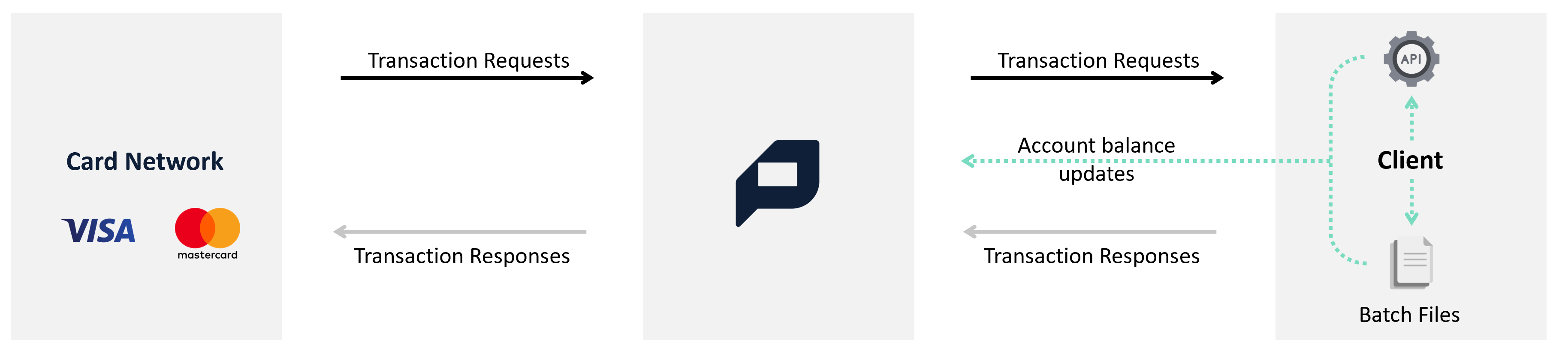
- You can choose to include account balances in decision-making, either through Online FAST response messages, Update Account Balance, or Batch files. This allows for more informed approvals basedon real-time data.
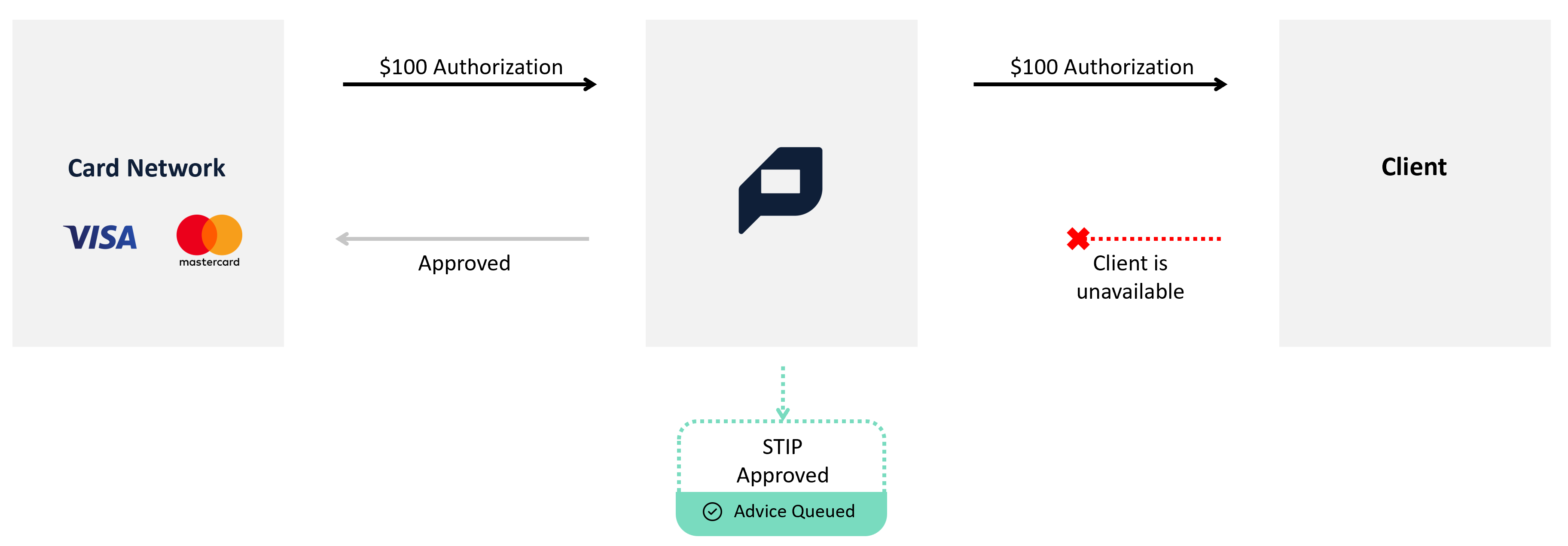
- When Banking.Live takes over processing during a STIP event, it sends a response to the card network while simultaneously storing an advice message in the Store and Forward (SAF) system.
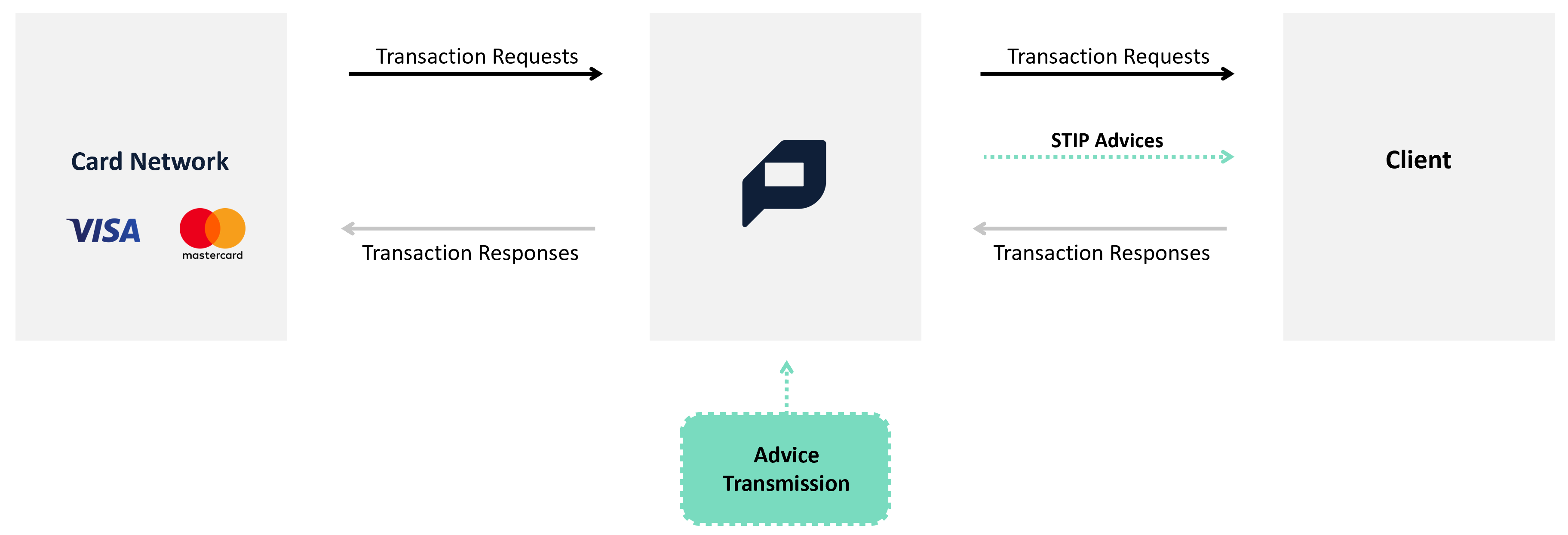
- The advice message is queued and automatically sent to the your system once you are back online. It notifies you of the transaction outcome during the downtime, enabling you to take any necessary actions.
STIP guides
Explore the STIP guides and how it all works on Banking.Live with the links below:
STIP rules
Discover how STIP rules work within the STIP framework:
Balance listing
Understand our balance listing methodologies and best practices:
STIP advices and messaging
Learn about STIP advice messages and view sample advice and balance update messages:
Updated 11 months ago